Food Preservation

Keep Your Harvest Fresh

Learn the science and practice of preserving food — from fermenting and pickling to drying and freezing. Extend your harvest season and cut food waste.

Preserving food reduces waste, stretches your harvest into the cooler months, and teaches students the science behind everyday techniques. Many methods — from fermentation to drying — have deep roots in Indigenous and traditional cultures worldwide. Understanding why preservation works (microbes, enzymes, moisture control) links classroom science to real-world practice.

1

Acid & Culture

Fermenting, Pickling & Brine

These ancient techniques harness acid — whether produced by bacteria or added via vinegar — to create an environment where spoilage organisms cannot thrive.

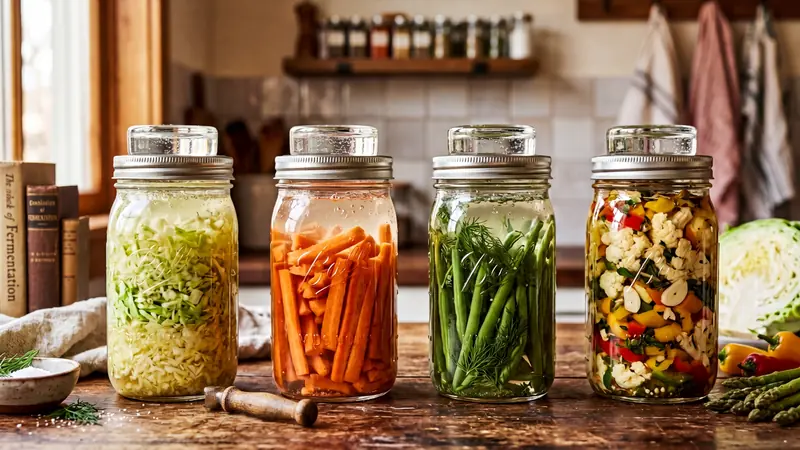
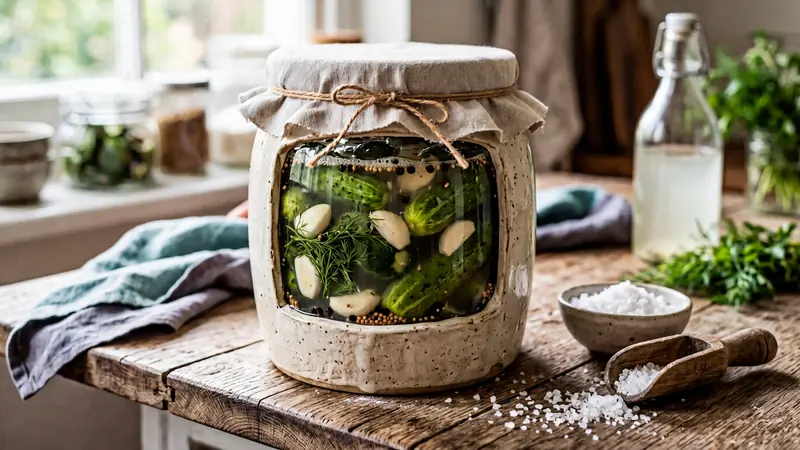
Glass jars of fermenting vegetables in brine

Fermenting

SCIENCE

Beneficial bacteria (e.g. Lactobacillus) convert sugars into lactic acid. The resulting acidic environment inhibits spoilage organisms.

METHOD

Submerge vegetables in brine (salt water), keep them under the liquid, and store at room temperature for a few days to weeks depending on taste.

BEST FOR

Cabbage (sauerkraut), cucumbers, carrots, radishes, green beans.

Fermentation has been used globally for millennia — from kimchi in Korea to Indigenous practices of preserving vegetables and fish.
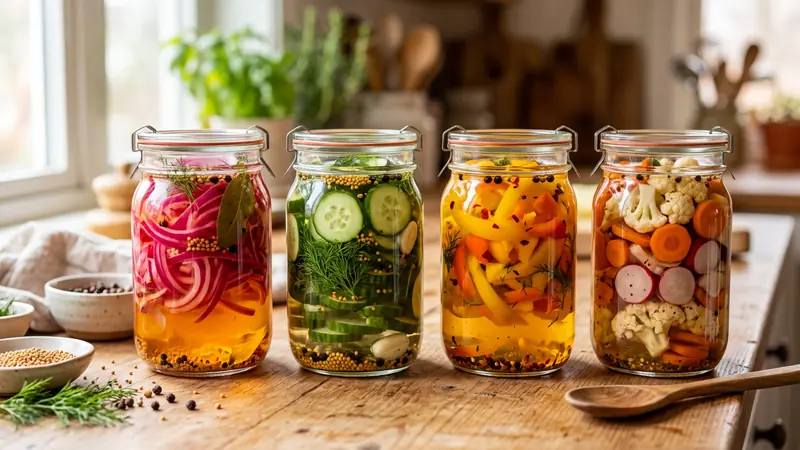
Colourful pickled vegetables in vinegar brine

Pickling (vinegar)

SCIENCE

Acetic acid (vinegar) lowers pH, preventing bacterial growth. Often combined with sugar and spices.

METHOD

Boil vinegar with water, sugar, and salt; pour over prepared vegetables; seal in sterilised jars. Refrigerate or process for shelf stability.

BEST FOR

Cucumbers, onions, beetroot, carrots, peppers.

Vinegar pickling became widespread with glass jars and canning; many cultures have long used acidic brines for preservation.

Vegetables submerged in salt brine with coarse sea salt

Brine (salt)

SCIENCE

High salt concentration draws moisture out of cells and creates an environment where spoilage microbes cannot thrive.

METHOD

Pack vegetables with salt (or submerge in brine) and store in a cool place. Often used with fermenting or before pickling.

BEST FOR

Olives, cucumbers, capers, fish (salt curing).

Salt preservation is one of the oldest techniques — used for fish, meat, and vegetables in coastal and inland cultures.

2

Temperature Control

Freezing & Refrigeration

Cold slows everything down—enzyme activity, bacterial growth, and respiration. It's the simplest way to buy time for your harvest.

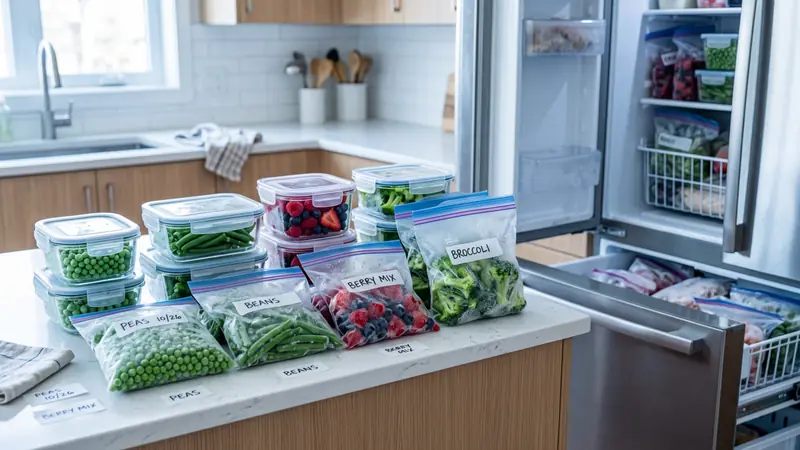
Blanched vegetables and berries packed for freezing

Freezing

SCIENCE

Low temperature slows enzyme activity and bacterial growth. Water freezes, reducing available moisture for spoilage.

METHOD

Blanch vegetables (brief boil then ice water) to preserve colour and texture; pack in airtight containers or bags; freeze quickly.

BEST FOR

Most vegetables, berries, herbs (chopped in oil or water), sauces.

Natural freezing has long been used; mechanical freezers made year-round storage widespread from the 20th century.

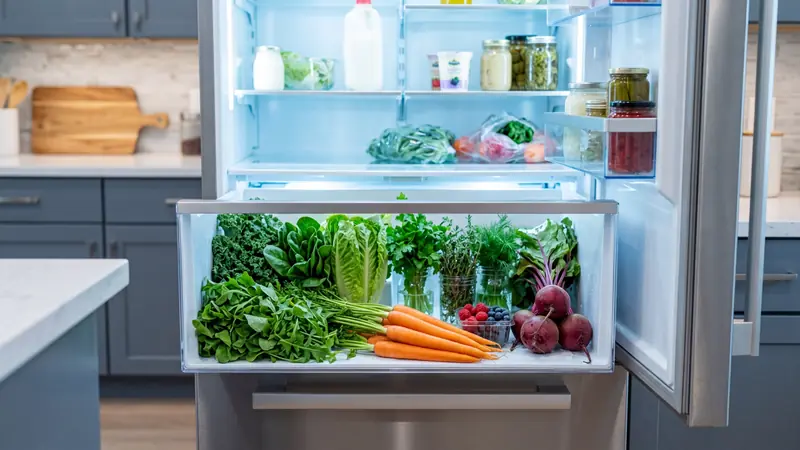
Fresh produce stored in a refrigerator crisper drawer

Refrigeration / Cool Storage

SCIENCE

Cool temperatures slow respiration, enzyme action, and microbial growth. Some crops store best in cool, dark, humid conditions.

METHOD

Store produce in the fridge or in a cool, dark pantry. Root cellars and crisper drawers extend life for days or weeks.

BEST FOR

Leafy greens, herbs, carrots, beetroot, apples, potatoes (cool dark place).

Root cellars and cool storage have been used for millennia; refrigeration became common in households from the early 20th century.

3

Moisture Removal

Drying & Smoking

No water, no problem. Removing moisture is one of the oldest and most universal preservation methods on earth.

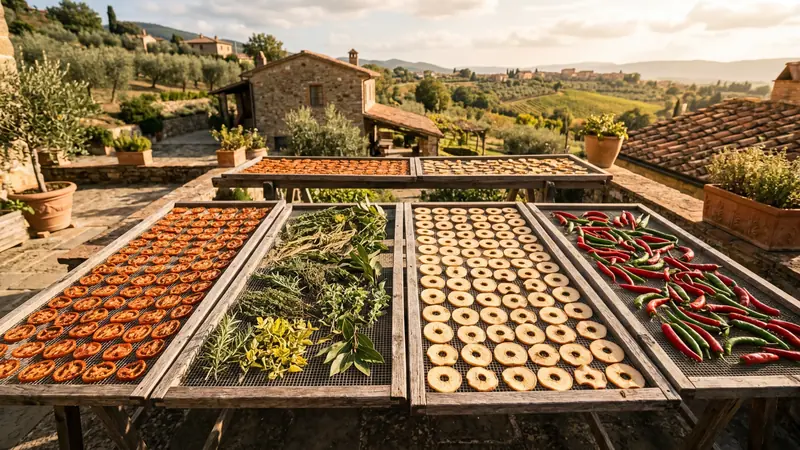
Sun-drying trays with sliced tomatoes, herbs, apple rings, and chillies

Drying / Dehydrating

SCIENCE

Removing moisture prevents bacterial and fungal growth. Enzymes are inactivated once water activity drops.

METHOD

Use sun, oven, or dehydrator. Slice thinly, arrange on trays, dry until leathery or brittle. Store in airtight containers.

BEST FOR

Tomatoes, herbs, apples, berries, mushrooms, chillies.

Sun-drying is one of the oldest preservation methods; Indigenous peoples worldwide have dried meat, fish, fruits, and vegetables for thousands of years.

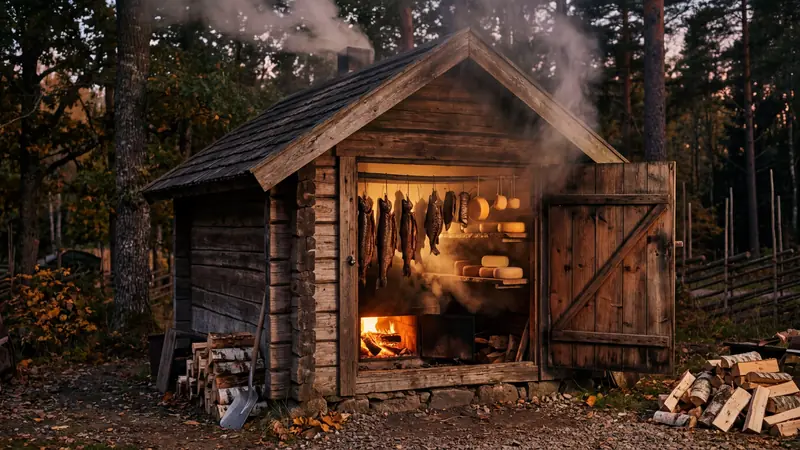
Traditional smokehouse with hanging fish and cheese

Smoking

SCIENCE

Smoke deposits antimicrobial compounds (phenols, acids) and heat reduces moisture. Often combined with salting.

METHOD

Cold smoke (flavour) or hot smoke (cook + preserve). Use a smoker or improvised setup with care — requires ventilation and safety.

BEST FOR

Fish, meat, cheese, nuts, tomatoes.

Smoking has been used for millennia across cultures; smokehouses were central to many Indigenous and European preservation traditions.

4

Heat & Sugar

Canning, Jams & Sugar Preserving

Heat kills microbes; sugar binds water. Together, they create some of the most shelf-stable and delicious preserved foods.

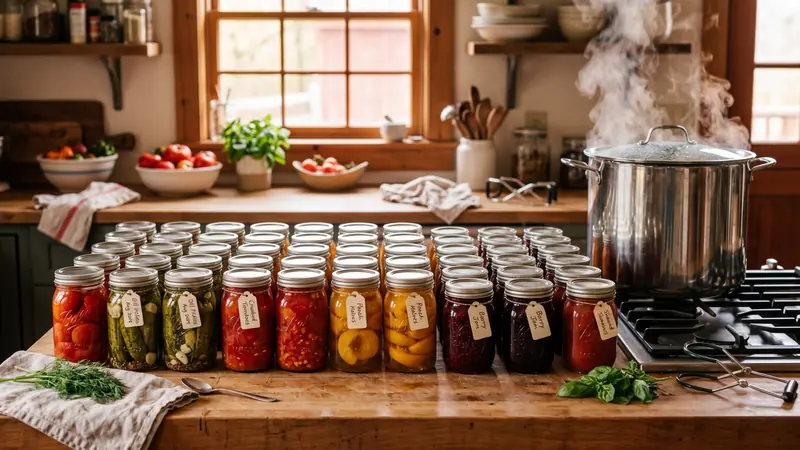
Rows of sealed mason jars with preserved tomatoes and pickles

Canning

SCIENCE

Heat destroys microbes and enzymes; sealing prevents recontamination. Pressure canning is required for low-acid foods to kill botulinum spores.

METHOD

Water-bath canning for high-acid foods (tomatoes, fruit); pressure canning for low-acid (beans, vegetables, meat). Follow tested recipes.

BEST FOR

Tomatoes, jams, pickles, beans, soup. Low-acid vegetables need pressure canning.

Nicolas Appert developed heat-processing in the early 1800s; modern canning expanded with the industrial age.

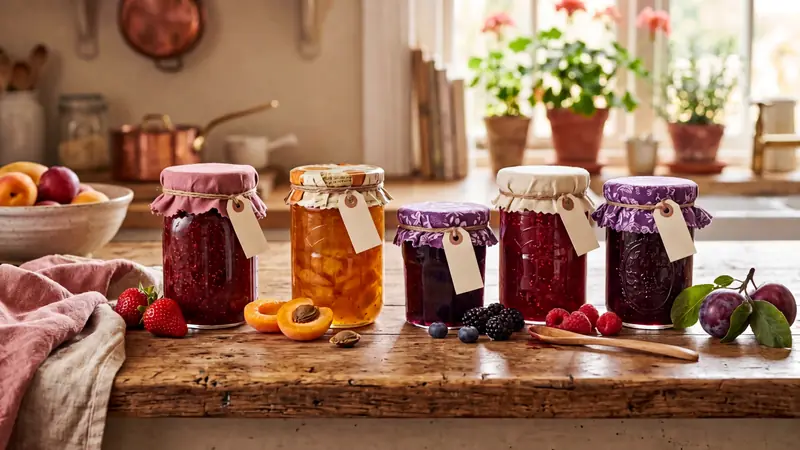
Jewel-toned fruit jams and jellies in glass jars

Sugar Preserving (Jams, Jellies)

SCIENCE

High sugar concentration binds water, reducing available moisture for microbes. Pectin (natural or added) sets the gel.

METHOD

Cook fruit with sugar (and often pectin) to a set point; pour into sterilised jars; seal. Often combined with water-bath canning.

BEST FOR

Berries, stone fruit, citrus, tomatoes (green tomato relish).

Sugar preservation became widespread once sugar was affordable; many cultures have fruit preserves as part of traditional cuisine.

5

Traditional Curing

Salting & Curing

Salt — humanity's oldest preservative — draws out moisture and creates a hostile environment for bacteria.

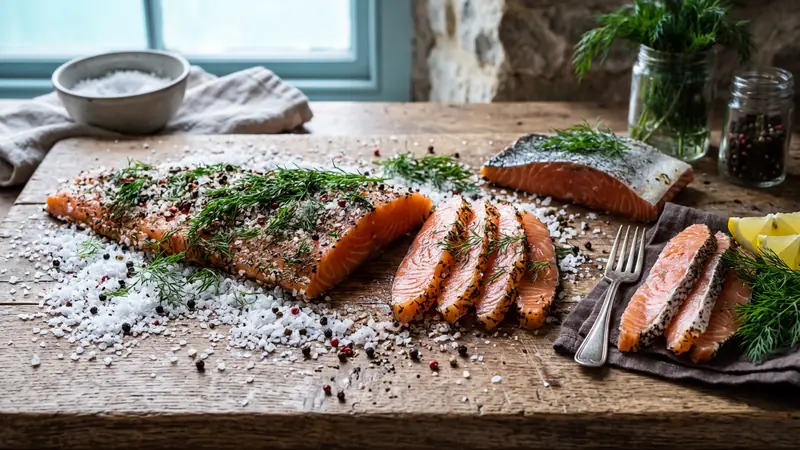
Salt-cured fish fillets with coarse sea salt and dill

Salting / Curing

SCIENCE

Salt draws out moisture and creates a hostile environment for bacteria. Nitrates (in cured meats) inhibit Clostridium botulinum.

METHOD

Dry-cure (rub with salt) or wet-cure (brine). Requires careful ratios and time; meats need specific handling for safety.

BEST FOR

Bacon, ham, fish (gravlax, bacalao), olives.

Salt curing dates back thousands of years; it was essential for preserving meat and fish before refrigeration.

From Greenhouse to Pantry

Use these technique guides in your greenhouse or kitchen program. Each includes the science behind it, simple steps for classroom use, and suitable foods.

A Food Ladder greenhouse produces year-round — but even the best system has peak seasons. Learning to preserve surplus means nothing goes to waste, and your Social Enterprise can offer value-added products like jams, dried herbs, and pickles.

Grow and preserve your harvest

Know another school that would love Food Ladder?

Food Ladder greenhouses produce year-round. Learn to preserve surplus for the cooler months.

Point them to our AI onboarding—it helps schools build a custom greenhouse proposal in minutes.

Use AI to Get Started Share Onboarding Link

Powered by IBM