Check the Flow
Are the pumps humming? Is the nutrient film visible at the end of every channel?

Join our community of 5,000+ growers to access the Academy, track your harvest, and connect with other schools.
We'll open your email app with your message addressed to info@foodladder.org. Send it from there to reach our team.
Update your name and email preferences.
We couldn't load your details. Please try again.
The Art of the Upkeep
A Food Ladder is a "living machine" that requires a pilot, not just a gardener. By following a disciplined maintenance schedule, you ensure your Water Highway stays clear, your chemistry stays balanced, and your greenhouse remains a fortress against the outside world.
Unlike a traditional garden, where plants are at the mercy of the elements, our systems allow you to control the environment. Move from being a "gardener" to a Systems Operator.
Tier 1 — Daily
Every morning, the first "pilot" in the greenhouse should perform a quick system scan. This isn't about deep cleaning—it's about pattern recognition.
Are the pumps humming? Is the nutrient film visible at the end of every channel?
Evaporation and plant transpiration lower the water level. If it gets too low, the pump might run dry.
Look for wilting leaves or odd smells. A healthy NFT system should smell fresh, like rain on a forest floor.
Junior Grower Activity
Give your students a "Detective Badge." Their job is to use their senses:
Tier 2 — Weekly
This is where the science happens. Assigning these tasks to different student teams creates a sense of "system ownership."
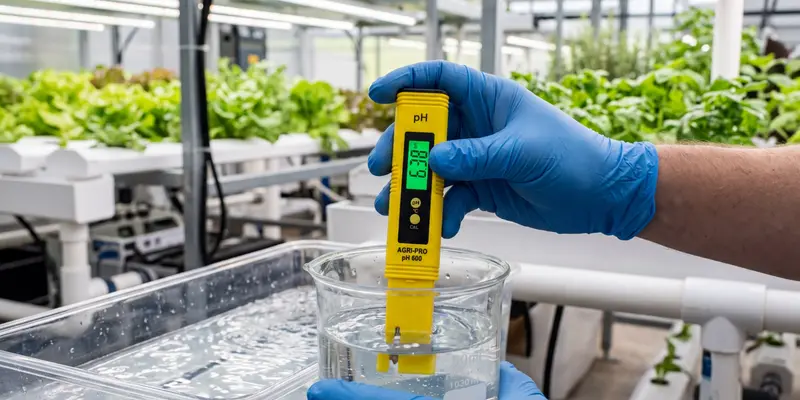
Plants are picky eaters. If the pH (acidity) is too high or too low, roots "lock up" and can't absorb food.
Target: pH 5.8 to 6.2. EC (Electrical Conductivity): Measures how "strong" your nutrient soup is.
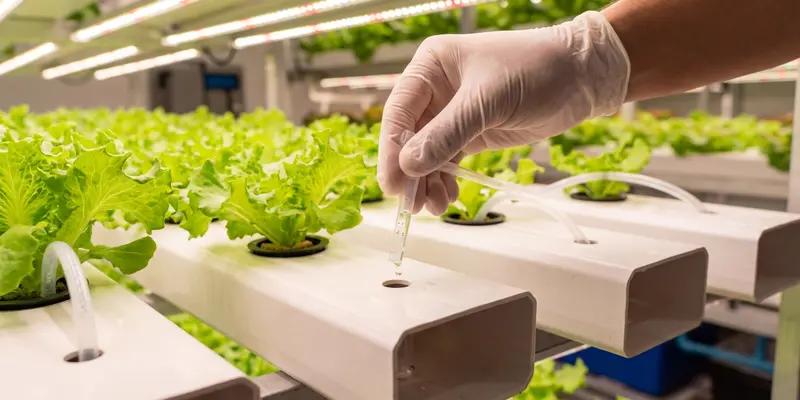
Check for biofilms—slippery algae or bacteria that love water. Ensure the small tubes (inlets) dripping into channels aren't clogged with mineral salts. Limit light entering the system by taping over empty plant-sites, avoiding excessive nutrient dosing and considering cocopeat as a growing substrate.
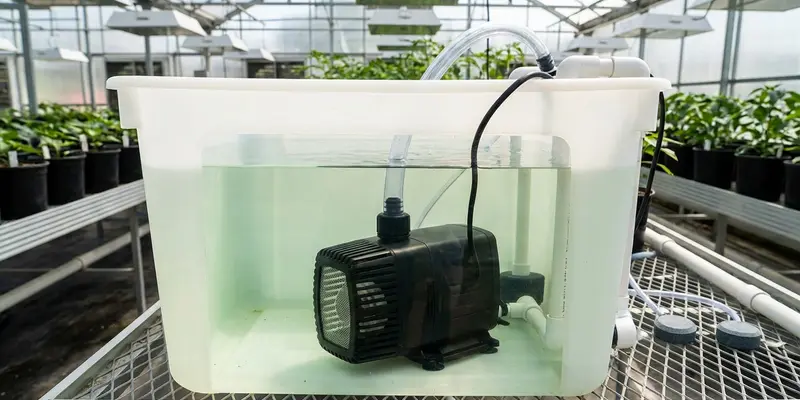
Verify the pump, reservoir, and channel inlets are functioning. A clean system delivers nutrients evenly to every plant.
Systems Engineer Note
pH drifts over a week as plants absorb nutrients and microbes alter water chemistry. Algae growth can push pH upward (alkaline). Weekly calibration of your pH meter and adjustment with "pH Down" keeps the system in the target zone.
Tier 3 — Seasonal
Every school term or season change, your Food Ladder deserves a "Full Reset."
Flush the pipes with a food-safe cleaning solution. Start fresh for the new season.
Clean the outside panels with a long-handled brush so plants get 100% of available sunlight.
A little lubricant on door hinges and vent openers goes a long way in a humid environment.
Management Systems
Don't keep the data in your head! A successful Food Ladder school uses a Central Command Whiteboard or digital tracker.
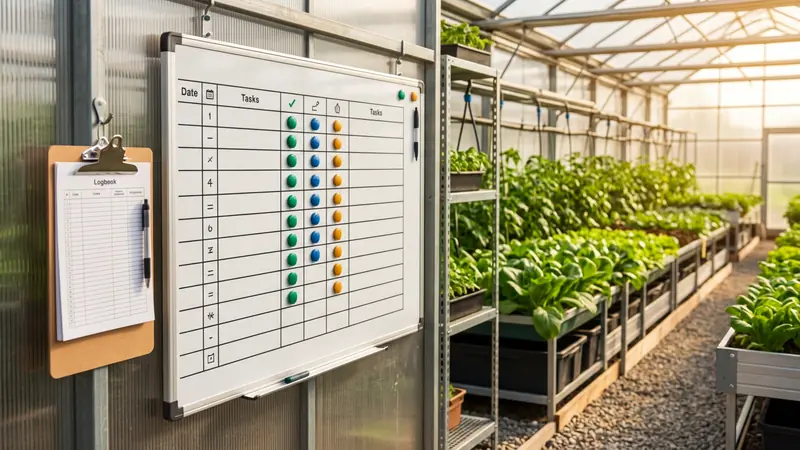
Use whiteboards, logbooks, or digital trackers to delegate tasks and keep everyone informed.
Structural Maintenance
A Food Ladder is a high-tech building. If the "house" fails, the "plants" fail.
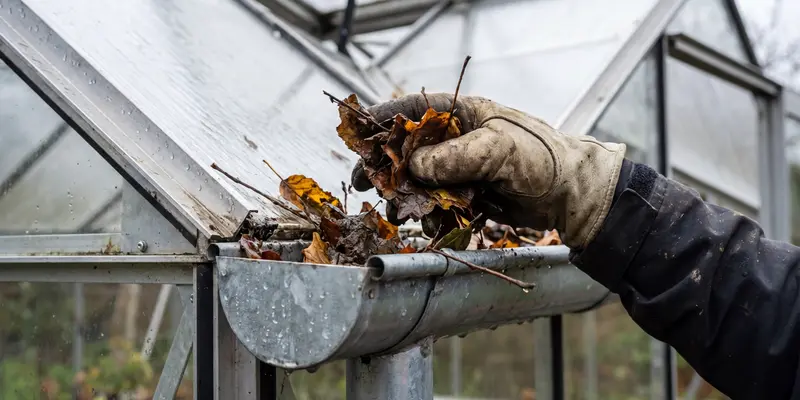
If external gutters clog with leaves, water can't drain—leading to leaks or structural weight issues.
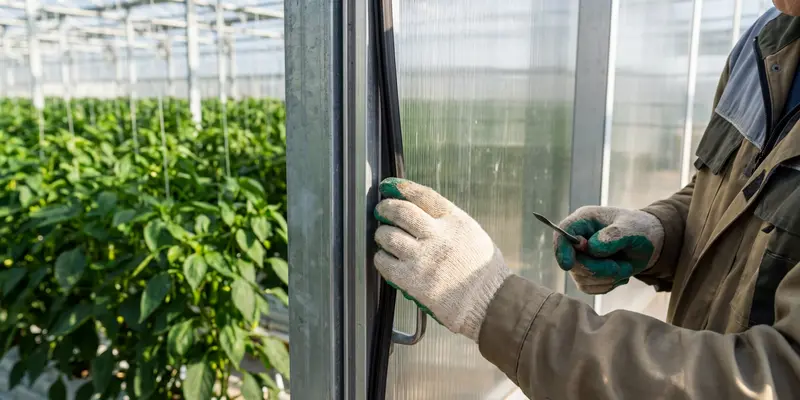
Are polycarbonate panels clean for maximum light? Do doors close tightly? A gap is an "Open House" for pests.
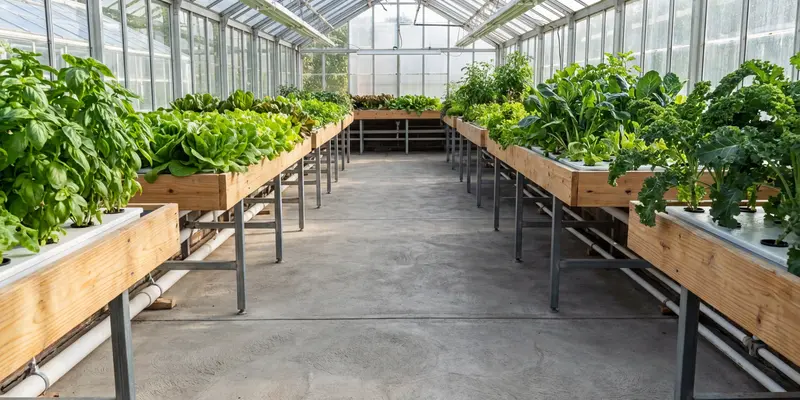
Keep the floor bone-dry. Standing water increases humidity and encourages mould.
Emergency Protocol
When something goes wrong, follow these protocols.
| Observation | Potential Failure | The Fix |
|---|---|---|
| Silent pump | Power trip or motor blockage | Check the RCD safety switch. Inspect the pump intake for debris. |
| Rising pH (alkaline) | Algae growth or "hard" water | Use "pH Down" solution. Scrub the reservoir to remove algae. |
| Cloudy water | Bacterial bloom | Change 50% of the water. Check tool hygiene protocols. |
| Foggy panels | High humidity / lack of ventilation | Open the vents. Check if the exhaust fans are functioning. |
While soil gardens require unpredictable weeding and digging, a Food Ladder system is designed for ergonomic, clean maintenance that feels like running a lab.
Junior Grower Activity
Teach the kids that the greenhouse is like their bedroom. If it's messy, it's hard to find things. If the greenhouse is messy, it's hard for the plants to grow.
Try this: Have a "Sweep the Path" contest every Friday!
Our AI-powered onboarding builds a custom proposal for your school in minutes.
Point them to our AI onboarding—it helps schools build a custom greenhouse proposal in minutes.
Use AI to Get Started Share Onboarding LinkPowered by IBM